


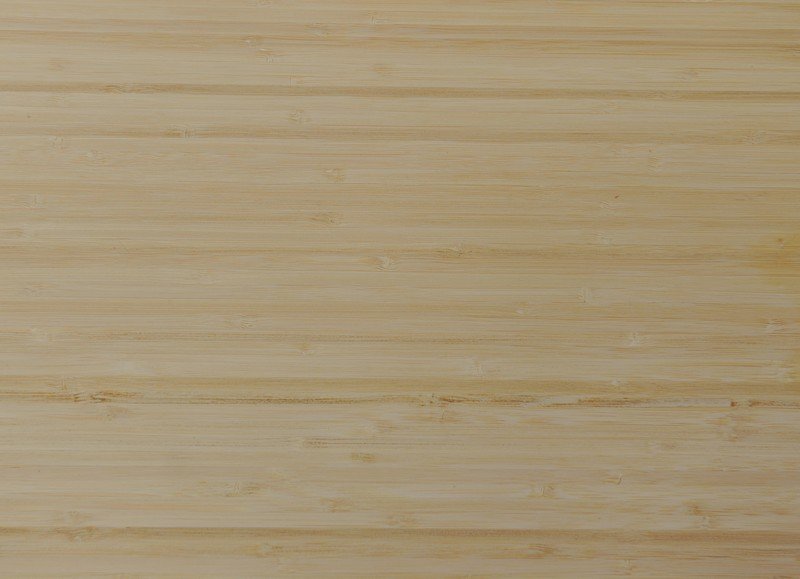
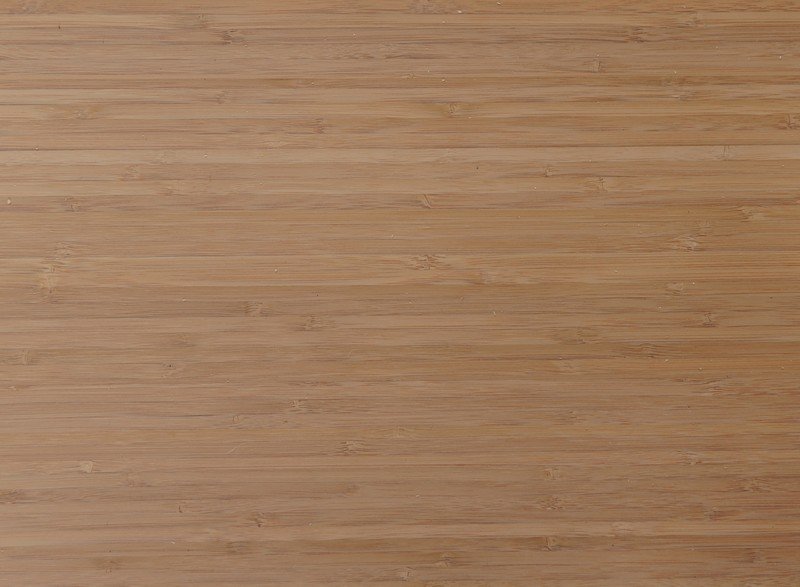

Bamboo Natural and carbonised
Bamboo perennial evergreens in the true grass family Poaceae, subfamily Bambusoideae
- Shipping info
We deliver worldwide By Australia Post
- Payment methods
X-Payments ( Credit Card ) PayPal ( accepts credit card ) Square ( Credit card ) Bank Transfer
- Return Policy
Custom engraved products are made on your approval of proof emailed to you. at receipt of order
These cannot be returned
Bamboo
perennial evergreens in the true grass family Poaceae, subfamily Bambusoideae
Bamboo is one of the fastest-growing plants on Earth with reported growth rates of 100 cm (39 in) in 24 hours.However, the growth rate is dependent on local soil and climatic conditions as well as species, and a more typical growth rate for many commonly cultivated bamboos in temperate climates is in the range of 3-10 cm (1-4 inches) per day during the growing period. Primarily growing in regions of warmer climates during the late Cretaceous period, vast fields existed in what is now Asia. Some of the largest timber bamboo can grow over 30 metres (98 ft) tall, and be as large as 15-20 cm (6-8 inches) in diameter. However, the size range for mature bamboo is species dependent, with the smallest bamboos reaching only several inches high at maturity. A typical height range that would cover many of the common bamboos grown in the United States is 15-40 feet, depending on species.
Unlike trees, individual bamboo culms emerge from the ground at their full diameter and grow to their full height in a single growing season of 3 - 4 months. During these several months, each new shoot grows vertically into a culm with no branching out until the majority of the mature height is reached. Then the branches extend from the nodes and leafing out occurs. In the next year, the pulpy wall of each culm or stem slowly hardens. During the third year, the culm further hardens. The shoot is now considered a fully mature culm. Over the next 2?5 years (depending on species), fungus and mold begin to form on the outside of the culm, which eventually penetrate and overcome the culm. Around 5 - 8 years later (species and climate dependent), the fungal and mold growth cause the culm to collapse and decay. This brief life means culms are ready for harvest and suitable for use in construction within about 3 - 7 years. Individual bamboo culms do not get any taller or larger in diameter in subsequent years than they do in their first year, and they do not replace any growth that is lost from pruning or natural breakage. Bamboos have a wide range of hardiness depending on species and locale. Small or young specimens of an individual species will produce small culms initially. As the clump and its rhizome system matures, taller and larger culms will be produced each year until the plant approaches its particular species limits of height and diameter.
Many tropical bamboo species will die at or near freezing temperatures, while some of the hardier or so-called temperate bamboos can survive temperatures as low as −29 ?C (−20 ?F). Some of the hardiest bamboo species can be grown in places as cold as USDA Plant Hardiness Zones 5-6, although they typically will defoliate and may even lose all above-ground growth; yet the rhizomes will survive and send up shoots again the next spring. In milder climates, such as USDA Zone 8 and above, some hardy bamboo may remain fully leafed out year around. For information on the characteristics of individual bamboo species, the site www.bambooweb.info maintains an extensive catalog of photographs as well as data on height, diameter, sun/shade preferences, and hardiness.
Commercial timber
Timber is harvested from cultivated and wild stands and some of the larger bamboos, particularly species in the genus Phyllostachys, are known as "timber bamboos".
Harvesting
Bamboo used for construction purposes must be harvested when the culms reach their greatest strength and when sugar levels in the sap are at their lowest, as high sugar content increases the ease and rate of pest infestation.
Harvesting of bamboo is typically undertaken according to the following cycles:
1) Life cycle of the culm: As each individual culm goes through a 5?7 year life cycle, culms are ideally allowed to reach this level of maturity prior to full capacity harvesting. The clearing out or thinning of culms, particularly older decaying culms, helps to ensure adequate light and resources for new growth. Well-maintained clumps may have a productivity three to four times that of an unharvested wild clump.
2) Life cycle of the culm: Consistent with the life cycle described above, bamboo is harvested from two to three years through to five to seven years, depending on the species.
3) Annual cycle: As all growth of new bamboo occurs during the wet season, disturbing the clump during this phase will potentially damage the upcoming crop. Also during this high rain fall period, sap levels are at their highest, and then diminish towards the dry season. Picking immediately prior to the wet/growth season may also damage new shoots. Hence, harvesting is best at the end of the dry season, a few months prior to the start of the wet.
4) Daily cycle: During the height of the day, photosynthesis is at its peak, producing the highest levels of sugar in sap, making this the least ideal time of day to harvest. Many traditional practitioners believe the best time to harvest is at dawn or dusk on a waning moon. This practice makes sense in terms of both moon cycles, visibility and daily cycles.
Three forms stocked
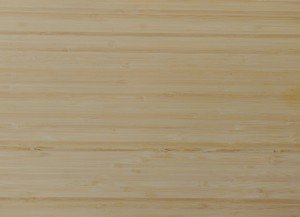
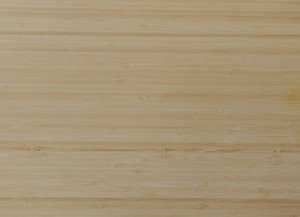
Natural 4 mm and 1.5 mm
Carbonised ( darkened by heating ) 4 mm and 1.5 mm
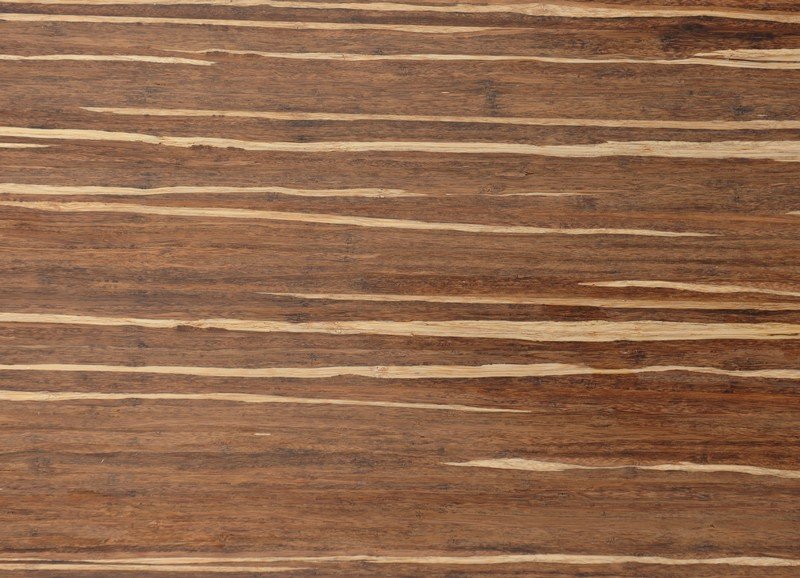
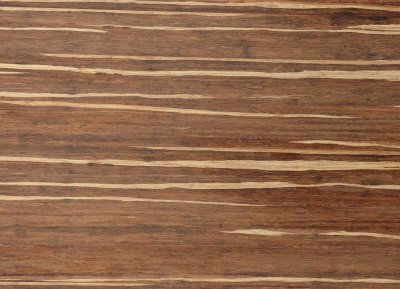
Multi mixed natural and darker 4 mm only
MyChoice Engraved products see selections:-
We ship using Australia Post parcels
Regular and Express options are available for National delivery
and to your own Country
We accept the following payment methods:
PayPal ( accepts credit card ) Square ( Credit card ) Bank Transfer
Products are made to order
On placement of order confirmation is emailed to you
If you have any image to be used on product
Return email with image/s attached.
A layout proof is prepared and emailed to you as pdf file.
Once final layout is approved, then this is what is made.
Product received in good condition as per proof is NOT returnable
If you do have issue with quality of your receipt, then send photo and reasons
In approved cases a replacement product will be made